

Just like everything else on your body, skin changes with age. Some shifts are so gradual you barely notice until one day you do. The good news? When you understand why your skin behaves the way it does each decade, caring for it gets a whole lot easier using organic Korean skincare products.
A Little Science First
Skin aging happens on two levels. There's intrinsic aging, the stuff driven by your genetics and hormones, and extrinsic aging, which is everything your environment throws at you. Sun exposure is the biggest culprit by far, but pollution, smoking, and diet all play a role too.
Collagen production declines by roughly 1 to 1.5% every year, so the changes you see at 45 or 55 have been quietly building for a long time. Starting early and staying consistent matters more than any single Korean organic skincare product.
Your 30s: The Shift Begins
After 30, your body starts breaking down collagen, elastin, and hyaluronic acid faster than it can rebuild them. You might notice dullness, uneven tone, or skin that's slower to bounce back. Cell turnover slows too, so dead skin lingers on the surface longer.
This is the decade where prevention has its biggest payoff. Prioritize daily SPF, Vitamin C to brighten and fight free radicals, and start retinol to slow collagen loss over time. Start low and go slow.
Our picks:
-
Dr. Ceuracle Hydra Barrier Sunscreen SPF 50 — Gentle Korean sunscreen for oily skin formulated with mineral protection that hydrates without a white cast.
-
Melixir Airfit Invisible Sunscreen SPF 50 — Weightless, with niacinamide and hyaluronic acid for a luminous finish.
-
Goodal Green Tangerine Vita C Dark Spot Care Serum — 70% green tangerine extract with niacinamide. Visibly brighter skin in two weeks.
-
haruharu wonder Black Rice Night Knight Retinol Serum — Gentle retinol plus bakuchiol for nighttime renewal without irritation.
-
Face Republic Blooming Time Bakuchiol Cream — A retinol alternative with peptides and niacinamide. Great if you're just starting out.

Your 40s: Hormones Enter the Picture
The 40s bring a more noticeable shift. Fine lines become static, visible even when your face is relaxed. For women, perimenopause (the transition phase before menopause) often begins around this time. As estrogen declines, skin becomes drier, thinner, and more sensitive. Some people also see hormonal breakouts return, which is as frustrating as it sounds.
The secret of women in their 40s is upgrading to a richer moisturizer with ceramides and peptides. Add hyaluronic acid for hydration and niacinamide for tone. Swap to a gentle, pH-balanced cleanser if you haven't already. It makes more of a difference than most people expect with organic Korean skincare.
Our picks:
-
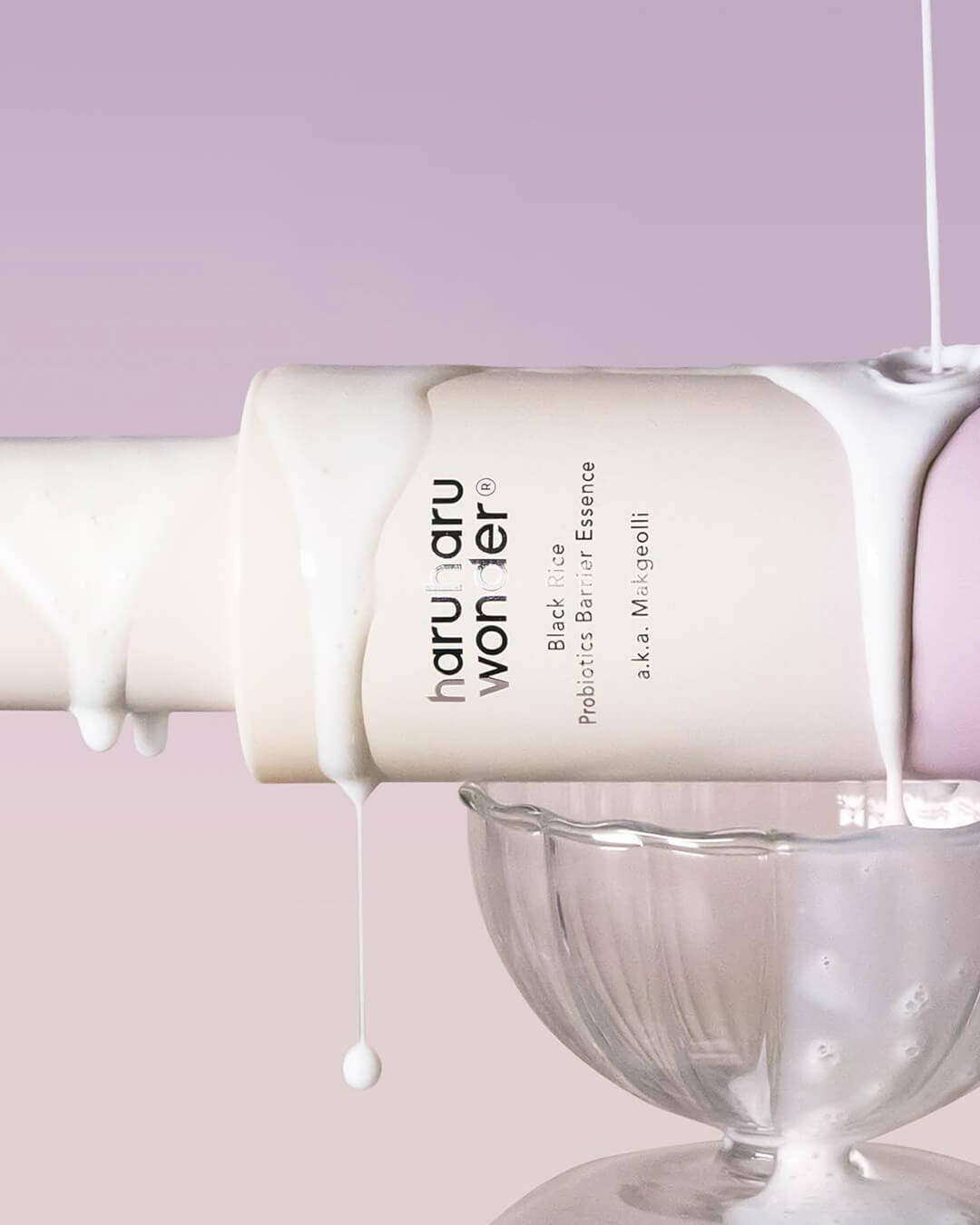
haruharu wonder Black Rice 5 Ceramide Barrier Moisturizing Cream — Encapsulated ceramides with fermented black rice for daily barrier repair.
-
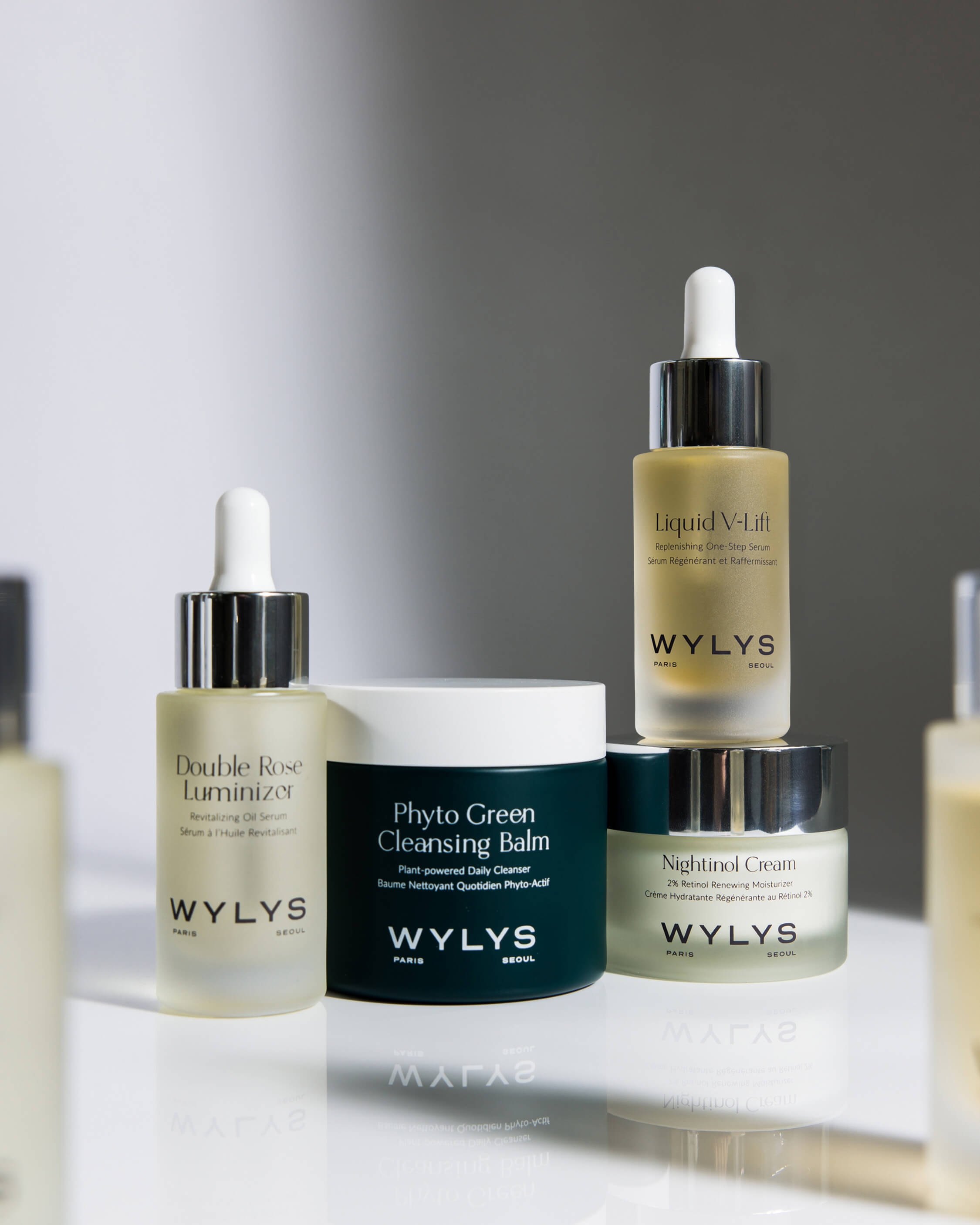
Wylys Nightinol Cream — 2% retinol with algae peptides and ceramides. A solid nighttime upgrade for this decade.
-
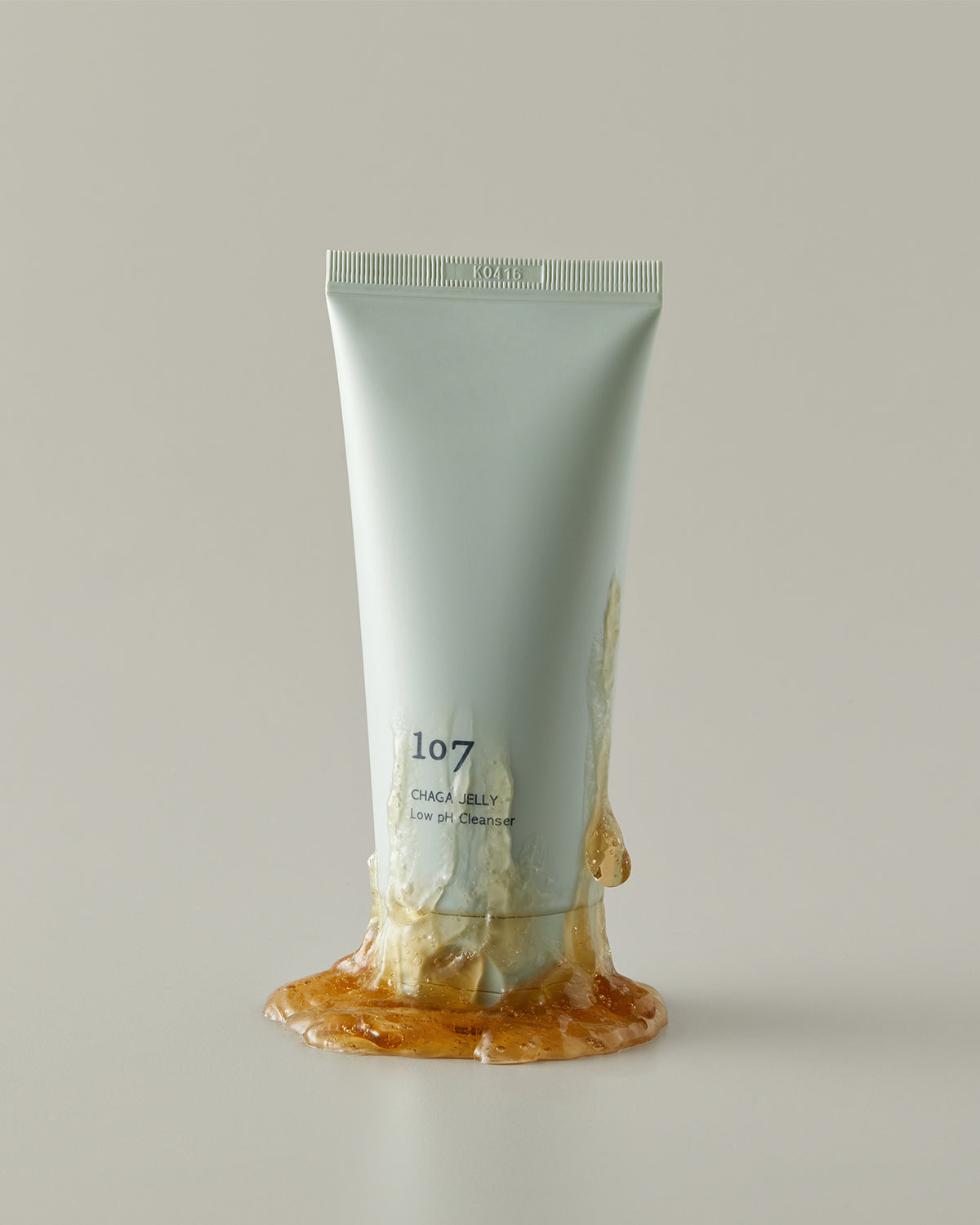
107 Chaga Jelly Low pH Cleanser — Gentle jelly cleanser that cleans without disrupting your barrier.
-
haruharu wonder Black Rice Hyaluronic Essence — Fermented black rice and hyaluronic acid for elasticity and deep hydration.
-
Luvum Bamboo Hyaluronic Moisture Serum — 8 types of hyaluronic acid with bamboo essence. Lightweight and plumping.

Your 50s: Deep Nourishment Mode
After 50, your skin's pH shifts and sensitivity increases. For women, the first few years after menopause can mean losing up to 30% of skin collagen, which shows up as thinning, sagging, and deeper lines. Sun damage from previous decades also becomes more visible, making daily SPF as important as ever.
The goal this decade isn't to fight aging. It's to give your skin what it needs most: hydration, barrier support, and gentle actives. Essences and toners layer hydration in ways that a Korean skincare cream alone can't. Eye creams become more worthwhile now too, with crow's feet and under-eye dryness becoming more pronounced. And if retinol feels too strong, bakuchiol and peptides are great alternatives in clean Korean beauty care.
Our picks:
-
Returnu The Firm Ampoule — Multi-peptide formula with bakuchiol and Korean thistle for a firmer, lifted look.
-
shaishaishai Aloe PDRN Cooling Repair Ampoule — Jeju aloe PDRN with 10-type hyaluronic acid. Soothing and deeply hydrating.
-
Percent Science Cellinol-5 Booster Essence — Targets fine lines and sagging while prepping skin to absorb what comes next.
-
Pyunkang Yul Black Tea Time Reverse Eye Cream — Fermented black tea with shea butter. Softens crow's feet and strengthens the eye area.
-
Purito Wonder Releaf Centella Eye Cream — Fragrance-free, hypoallergenic, with centella and peptides. Great for sensitive skin.

Bottom Line
No matter your age, your skin will keep changing and that's completely normal. Aging is beautiful, and working with your skin rather than against it makes all the difference. A few solid, science-backed ingredients used consistently? That's the actual secret.
Have questions or need personalized advice on using organic Korean skincare products? We're always here.
IG: @ohlollybeauty
Tiktok: @ohlollyofficial
Frequently Asked Questions (FAQs)
Here are answers to commonly asked questions about organic skincare:
What does organic skincare mean?
Organic skincare uses ingredients grown without synthetic pesticides, fertilizers, or harsh chemicals. These products often focus on plant-based, naturally derived ingredients.
Is organic skincare better for sensitive or acne-prone skin?
Organic skincare can be gentler because it often avoids harsh additives and artificial fragrances. However, some natural ingredients may trigger irritation, which is why patch testing is important.
How can you tell if a skincare product is truly organic?
Check the ingredient list and look for certified organic labels from trusted organizations. Products with transparent sourcing and minimal synthetic ingredients are usually more reliable.