

When Should You Start Using Anti-Aging Products?
There is no magic birthday. The honest answer depends more on your skin and your goals than your age. That said, our skin naturally begins producing less collagen from our mid-20s onward, so many people start folding gentle anti-aging steps into their routine in their late 20s or early 30s. Prevention tends to be easier than correction.
One thing worth knowing up front: if you wear sunscreen, you are already doing anti-aging (more on that at the end). When it comes to active treatments, you have more options than ever, from serums to a lightweight Korean skincare cream, and they are not one-size-fits-all. The four ingredients you will hear about most are retinol, retinal, bakuchiol, and PDRN. Here is how they compare, and how to find the right starting point for your skin.
The Vitamin A Family: Retinol and Retinal
Retinol and retinal (also called retinaldehyde) are both vitamin A derivatives, long considered the reference point for the look of fine lines, uneven texture, and firmness. Retinal sits one step closer to the active form your skin uses, so it is often described as working a little faster. Retinol is the more familiar, easy-to-find option.
But aren't retinoids harsh? This is where a lot of people get nervous. Retinol has picked up a scary reputation online, with stories of redness, peeling, and irritation. Here is the context that usually gets left out: most of that irritation comes from starting too strong, too fast, not from vitamin A itself. Used correctly, it is one of the most studied and best-tolerated ingredients in all of skincare.
This is also where K-beauty brands shine. Korean anti-aging products tend to use lower strengths, encapsulated delivery, and soothing, hydrating support ingredients, so the vitamin A releases slowly and gently. That makes them a lovely, low-drama way to begin if retinol has intimidated you before.
That said, be smart about it. Patch test any new active first. Start slow, about two to three nights a week, and build up as your skin adjusts. Keep it to your evening routine, always follow with sunscreen the next morning, and do not pile it on with lots of other actives at once. And if you are pregnant or breastfeeding, skip vitamin A derivatives and check with your doctor, since they are generally not recommended during that time.
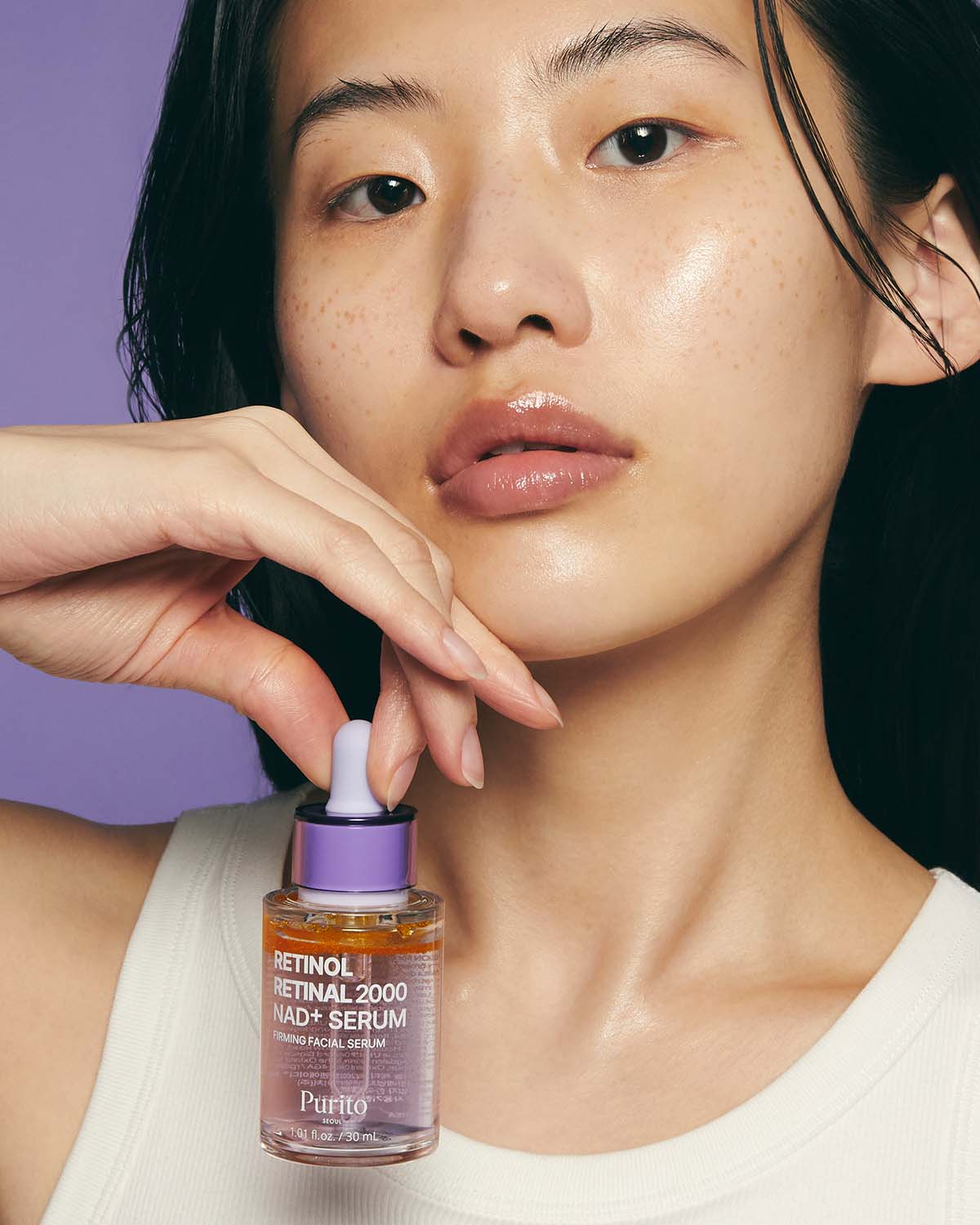
Purito TXA 6 Niacinamide 10 Retinal Serum
This Purito TXA 6 Niacinamide 10 Retinal Serum is a lightweight, water-like serum that pairs encapsulated retinal with niacinamide and tranexamic acid. The encapsulated retinal delivers vitamin A in a gentler, more stable form, while the other actives help skin look brighter and more even over time. An easy way to ease into retinal.

If Vitamin A Isn't for You: Bakuchiol and PDRN
Not everyone's skin gets along with vitamin A, and that's completely okay. If retinol, retinal, or vitamin A in general has been too much for you, you don't have to give up on anti-aging altogether. Two gentler routes have become favorites for sensitive skin: bakuchiol and PDRN.
Bakuchiol: The Gentle Plant Alternative
Bakuchiol is a plant-derived ingredient that offers retinol-like smoothing without the dryness or flaking. It's gentle enough for sensitive skin and can be used morning and night, which makes it a wonderful entry point if vitamin A hasn't agreed with you.
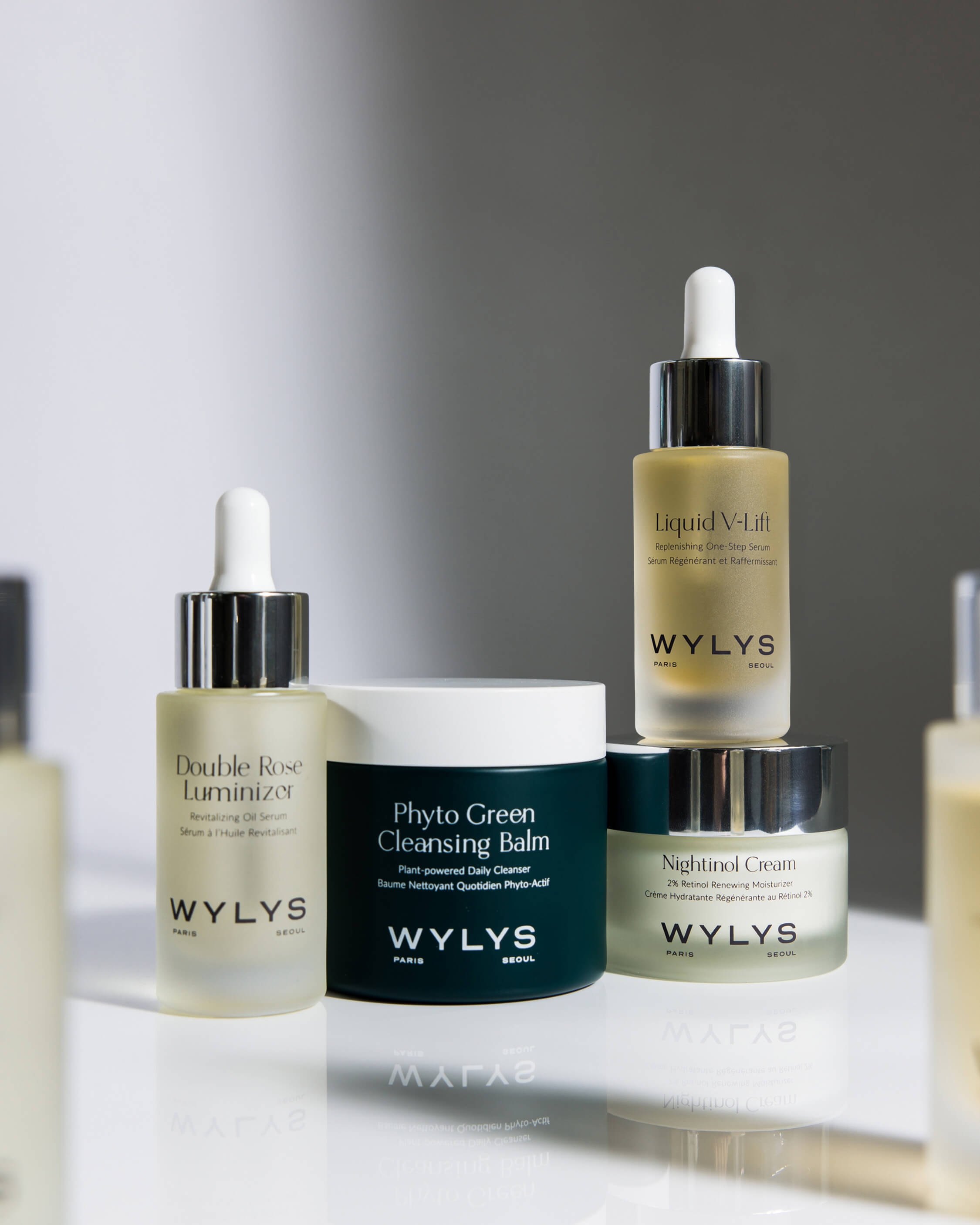
WYLYS New Day Glow
A bakuchiol serum-cream that doubles as a lightweight moisturizer, so it works as both your serum and your Korean skincare cream in one step. Bakuchiol brings the smoothing benefits, while stabilized vitamin C and niacinamide help skin look brighter and plumper. The silky gel-cream texture absorbs quickly and works alone or layered under a heavier cream

PDRN: The 2026 Repair Story
PDRN, often sourced from salmon DNA, is the ingredient everyone's talking about this year — and for good reason. It started out in clinical and aesthetic settings and has since made its way into everyday skincare as a gentle, barrier-friendly option. People love it because it helps skin look resilient, bouncy, and glowy, without the irritation that can come with stronger actives. If your skin runs sensitive but you still want visible anti-aging support, PDRN is a lighter alternative worth trying. It also pairs beautifully with retinal for smoothing and glow in one step.
Dr. Ceuracle PDRN & Retinol Shot
A concentrated ampoule that combines salmon DNA PDRN with retinol to help skin look firmer, smoother, and more refined. Lightweight and fast-absorbing, it sinks in quickly.

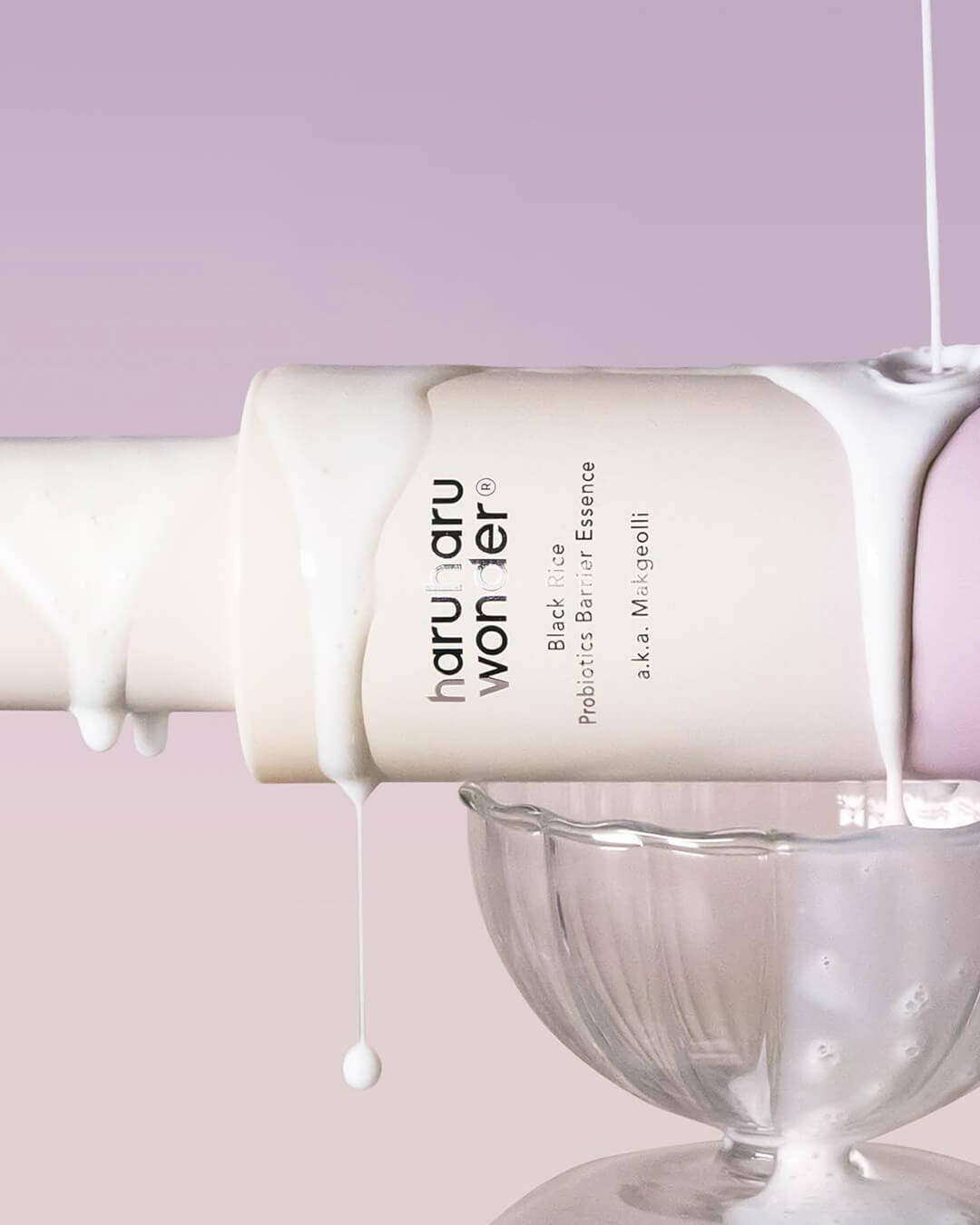
haruharu wonder Rose PDRN Firming Serum
A nighttime serum with vegan rose PDRN (from Damascus rose stem cells), 0.1% retinal, and a five-peptide complex. It helps skin look firmer, smoother, and more refined, with a velvety, non-sticky finish that stays gentle enough for sensitive skin. Free from synthetic fragrance and dyes.

How to Choose
Here’s a quick guide on choosing the best Korean skincare products with anti-aging properties:
-
New to actives or sensitive skin: Start with bakuchiol (New Day Glow) or PDRN.
-
Ready for results: Reach for retinal (Purito TXA Retinal Serum).
-
Focused on recovery and glow: Go for PDRN (Dr. Ceuracle or haruharu wonder).
-
Targeting the look of dark spots and dullness: The Purito serum's tranexamic acid and niacinamide make it a strong pick for a brighter, more even-looking complexion.
How to Layer
Apply thinnest to thickest. Cleanse, apply your serum or ampoule, then finish with a Korean skincare cream to seal everything in and buffer stronger actives. Keep retinol and retinal to the evening, introduce one active at a time, and wear sunscreen every day.
The Real Foundation: Hydration and Sunscreen
To achieve your K-beauty goals, here's the part no Korean skincare serum can replace. Fancy actives are wonderful, but they work best on top of a simple, consistent routine built around daily sun protection, hydration, and moisture. And yes, those basics absolutely count as anti-aging.
Sunscreen especially. Most of the visible signs we think of as aging — fine lines, dark spots, and loss of firmness — come from years of sun exposure. Wearing broad-spectrum SPF every day is the single most effective way to prevent that damage before it starts, which makes it the most powerful anti-aging step in your whole routine. Pair that with well-hydrated skin and a healthy moisture barrier — which keeps skin looking plump and smooth and helps it handle active ingredients better — and you have your real foundation. Everything else builds on top.
So by all means, enjoy your retinal or your PDRN. Just remember that the quiet basics, water and SPF, are doing the heaviest lifting of all.
Build Your Anti-Aging Routine
Whether you are easing into anti-aging skincare for the first time or looking to refresh your existing routine, the right ingredients can make all the difference. Start with what your skin needs, whether that means the gentle support of bakuchiol and PDRN or the targeted benefits of retinol and retinal. And do not forget the essentials: a nourishing Korean skincare cream, daily sunscreen, and consistent hydration.
Looking for Korean products to build a routine that works for you? Explore our trusted Korean serums at Ohlolly today!
Follow us for brand stories, product launches, Korean skincare tips, promotions, and events.
IG: @ohlollybeauty
Tiktok: @ohlollyofficial
Frequently Asked Questions (FAQs)
Here are answers to commonly asked questions about anti-aging Korean skincare products:
What do Koreans use for wrinkles?
Korean skincare routines often include ingredients such as retinol, bakuchiol, peptides, and antioxidants to address wrinkles and signs of aging. Daily sunscreen and consistent hydration also help protect their skin and maintain its appearance.
Is bakuchiol a good alternative to retinol for sensitive skin?
Bakuchiol may offer a gentler alternative to retinol for some people with sensitive skin. However, it can still cause irritation, so introduce it gradually and perform a patch test.
How often should you use a Korean skincare cream with anti-aging ingredients?
Use an anti-aging cream once daily or as directed by the product instructions. Start a few times a week with active ingredients such as retinol, then gradually increase usage if your skin responds well enough.