

Which skincare ingredients are worth the hype? Here’s a straightforward guide to four of the most talked-about ones: what they do, who they’re best for, and a few of our K-beauty picks for each.
1. Ceramides
Ceramides are fats (lipids) that your skin already makes. They’re part of your skin barrier, the top layer that keeps moisture in and irritants out. When that barrier is low on ceramides, skin can feel dry, tight, and easily irritated, which is why ceramides show up so often in barrier creams and winter moisturizers. Adding them back through skincare helps replenish the barrier.
Best for: dry, dehydrated, or sensitive skin, and anyone whose skin feels tight after cleansing.
Tip: Apply your moisturizer while skin is still slightly damp, ideally within a few minutes of washing your face.
-
Urang Rose Ceramide Cream: A non-greasy, fast-absorbing cream with Ceramide NP and rose water that locks in moisture.
-
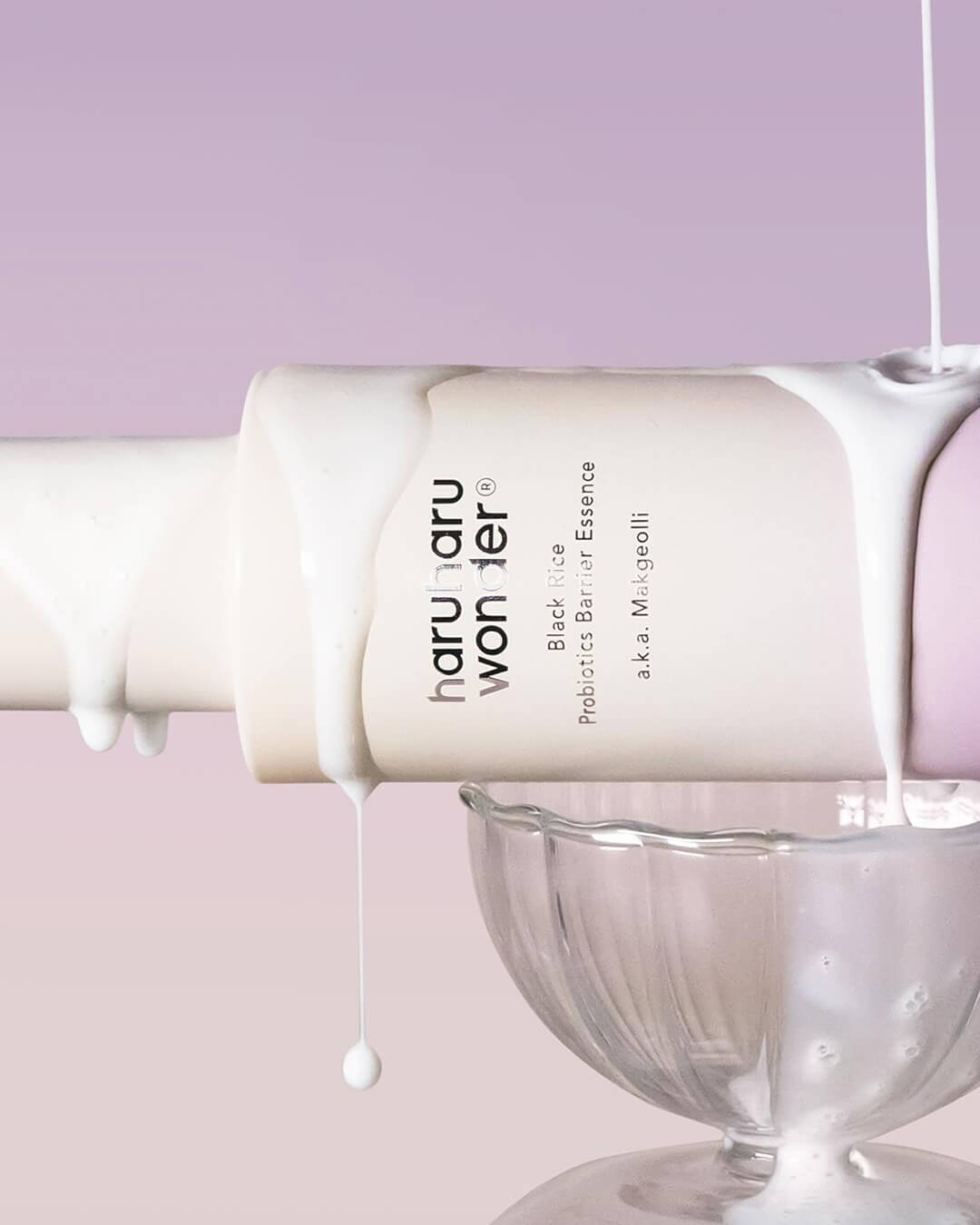
haruharu wonder Black Rice Probiotics Barrier Essence: A soothing essence with 5 types of ceramides and panthenol that helps rebuild the skin barrier.
-
Koy Solid Volume Base Toner: A milky, essence-like toner with milk ceramide complex and niacinamide that hydrates without feeling sticky.

2. PDRN
PDRN stands for polydeoxyribonucleotide. It’s a mix of DNA fragments, traditionally taken from salmon trout, that has been studied in medicine for helping skin repair itself. Research shows it can encourage cells to grow and move into damaged areas and help calm inflammation. Most of that research is on wound healing, not everyday skincare, so we’d call it a promising ingredient for hydration and smoother-looking skin, not a miracle one. Some formulas, like the ones below, use plant-derived or algae-derived versions instead.
Best for: dull, dehydrated, or stressed skin, and anyone who wants extra recovery and smoothness.
Tip: Look at the rest of the ingredient list too. PDRN works best in formulas that also hydrate and support the barrier.
-
Umbraphil Mugwort PDRN Pore Perfecting Serum: A lightweight serum with mugwort-derived PDRN and peptides that smooths the look of pores and keeps skin hydrated.
-
Luvum Glacial Marine Algae-PDRN Serum: A watery serum with algae-PDRN and 8 types of hyaluronic acid that supports a weakened barrier.
-
Purito Multi PDRN Collagen Real Glow Mask: A peel-off mask with PDRN and collagen water for a hydrated, glowy finish in 15 to 20 minutes.

3. Azelaic Acid
Azelaic acid is a gentle acid that does three jobs at once. It helps calm inflammation, fights the bacteria that contribute to breakouts, and slows the enzyme (tyrosinase) behind dark spots. That makes it a good fit for acne, post-acne marks, redness, and uneven tone, and it’s generally considered mild enough for sensitive skin. Results take time, so give it a few weeks. If you have persistent acne or rosacea, a dermatologist can recommend a prescription-strength version.
Best for: oily and acne-prone skin, post-breakout marks, redness, and uneven tone.
Tip: Start a few times a week and build up, especially if your skin is sensitive.
-
Purito Azelaic Acid 10 Kojic Tea Tree Serum: A water-like serum with azelaic acid, kojic acid, and tea tree that targets blemishes and post-acne marks.
-
Dr. Ceuracle Azelaic 10 & Madeca Ampoule: An ampoule with 10% azelaic acid and madecassoside for oily skin prone to redness and clogged pores.

4. Peptides
Peptides are short chains of amino acids, the building blocks of proteins like collagen. In skincare, the most common type works as a signal that tells skin to make more collagen and elastin, which helps skin look firmer and smoother. Peptides are mostly used for early signs of aging, such as fine lines and loss of firmness. They aren’t a treatment for acne. The research is still limited, so think of them as a helpful support ingredient and not a quick fix.
Best for: fine lines, loss of firmness, dull or mature skin.
Tip: Layer them under your moisturizer and sunscreen, and give them a couple of months of consistent use.
-
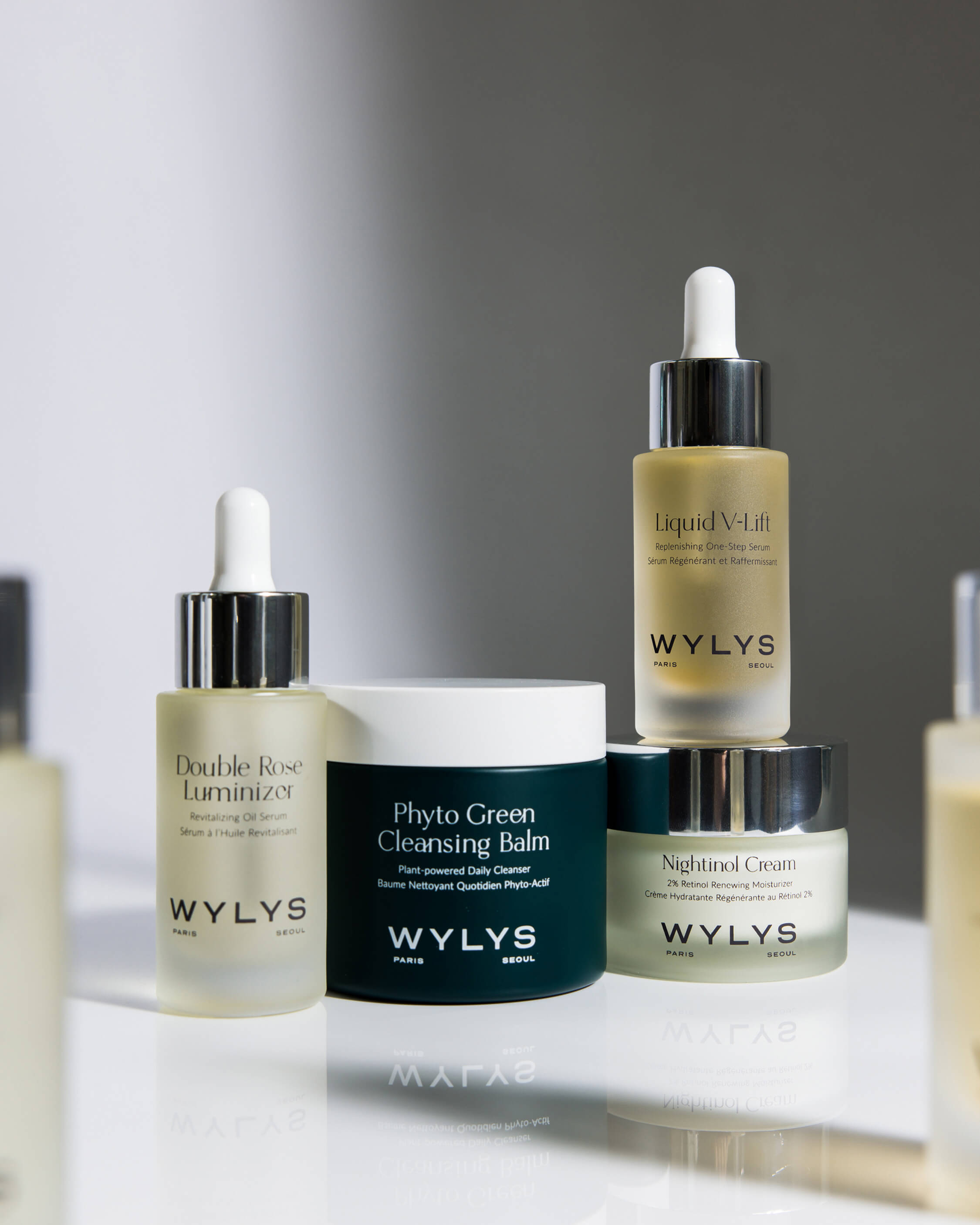
WYLYS Liquid V-Lift: A lightweight serum with peptides and AFA-GS Alga Complex that firms and smooths. Made in France.
-
Aippo Expert Firming Ampoule: An ampoule with peptides, idebenone, and everlasting flower extract that targets fine lines and firmness.
-
Returnu The Firm Ampoule: A lightweight capsule serum with peptides, bakuchiol, and niacinamide for a smoother, more lifted look.

Building Your Routine
You don’t need to try every ingredient at once. Start with the one that matches your main concern: ceramides for dryness, PDRN for dull or stressed skin, azelaic acid for breakouts and marks, or peptides for firmness. Add it slowly, and give your skin time to show you what it needs. To find the right fit for your skin, explore our collection of serums today!
Follow us for brand stories, product launches, Korean skincare tips, promotions, and events.
📧 hello@ohlolly.com
IG: @ohlollybeauty
Tiktok: @ohlollyofficial
Frequently Asked Questions (FAQs)
Here are answers to commonly asked questions about Korean skincare ingredients:
What do ceramides, PDRN, azelaic acid, and peptides do for your skin?
Ceramides support the skin barrier and help lock in moisture, which makes them great for dry skin. PDRN is a K-beauty favorite for hydration and smoother-looking skin. Azelaic acid helps with acne, redness, and dark spots. Peptides help skin look firmer and smoother, so they’re popular in anti-aging serums and ampoules.
Is azelaic acid good for acne-prone skin and dark spots?
Yes. Azelaic acid helps calm inflammation, fights acne-causing bacteria, and fades dark spots and post-acne marks. It’s also generally gentle enough for sensitive skin. Start slowly, give it a few weeks, and see a dermatologist if your acne or redness is persistent.
Can you use ceramides, PDRN, azelaic acid, and peptides together?
Often, yes. Ceramides and peptides pair well with most routines, and many K-beauty serums combine PDRN with hydrating ingredients. To be safe, add one new product at a time so you can tell how your skin reacts. If you’re using prescription treatments, check with your dermatologist before layering new actives.
Sources
-
Cleveland Clinic, “Ceramides”: https://health.clevelandclinic.org/ceramides
-
Galeano et al., “Polydeoxyribonucleotide: A Promising Biological Platform to Accelerate Impaired Skin Wound Healing,” Pharmaceuticals, 2021 (via PubMed Central): https://pmc.ncbi.nlm.nih.gov/articles/PMC8618295
-
Banner Health, “Azelaic Acid and Its Benefits”: https://www.bannerhealth.com/healthcareblog/teach-me/azelaic-acid-and-its-benefits
-
NewYork-Presbyterian, “Peptides and Skin Care: Benefits, Risks and What a Dermatologist Wants You to Know”: https://www.nyp.org/healthmatters/peptides-and-skin-care-benefits-risks-and-what-a-dermatologist-want-you-to-know