

If your skin has been feeling extra sensitive lately—dry, irritated, or suddenly reacting to everything, you’re not imagining it. There’s a good chance your skin barrier is trying to tell you something.
Your skin barrier is basically your skin’s protective layer. It’s the outermost part that keeps hydration in and irritants out. When it’s healthy, your skin feels calm, smooth, and balanced. But when it’s compromised, even your go-to Korean skincare products can start to sting or feel “too much” for achieving hydration.
Why Your Skin Barrier Matters
Think of your skin barrier like a shield. It’s made up of skin cells and lipids that work together to lock in moisture and protect your skin from things like pollution, bacteria, and allergens.
When that shield is strong, your skin can handle a lot. But once it’s weakened, it loses water more easily and becomes more reactive. That’s when dryness, redness, and sensitivity start showing up.
What Can Damage Your Skin Barrier?
Honestly, it’s usually not just one thing. It’s often a mix of habits and environmental changes, especially this time of year.
Some of the most common causes:
-
Over-exfoliating or using too many actives at once
-
Harsh cleansers that leave your skin feeling stripped
-
Not enough hydration or skipping moisturizer
-
Seasonal shifts (hello, spring weather)
-
Allergens like pollen
Spring can be surprisingly tough on the skin. The weather changes, humidity goes up, and there’s more in the air that your skin has to deal with. Even if your Korean skincare routine hasn’t changed, your skin might need something organic.
Signs Your Skin Barrier Is Damaged
Your skin is actually pretty good at letting you know when something’s off.
You might notice:
-
Dryness or tightness that won’t go away
-
Redness or irritation
-
Stinging when you apply skincare
-
Rough or flaky texture
-
Breakouts that feel a little different than usual
-
Skin that feels oily but also dehydrated
If you’re nodding along to a few of these, it’s probably time to simplify and reset your skincare routine with Korean products for oily, acne-prone skin.
How to Support Your Skin Barrier
When your barrier is struggling, the goal isn’t to do more—it’s to do less, but better.
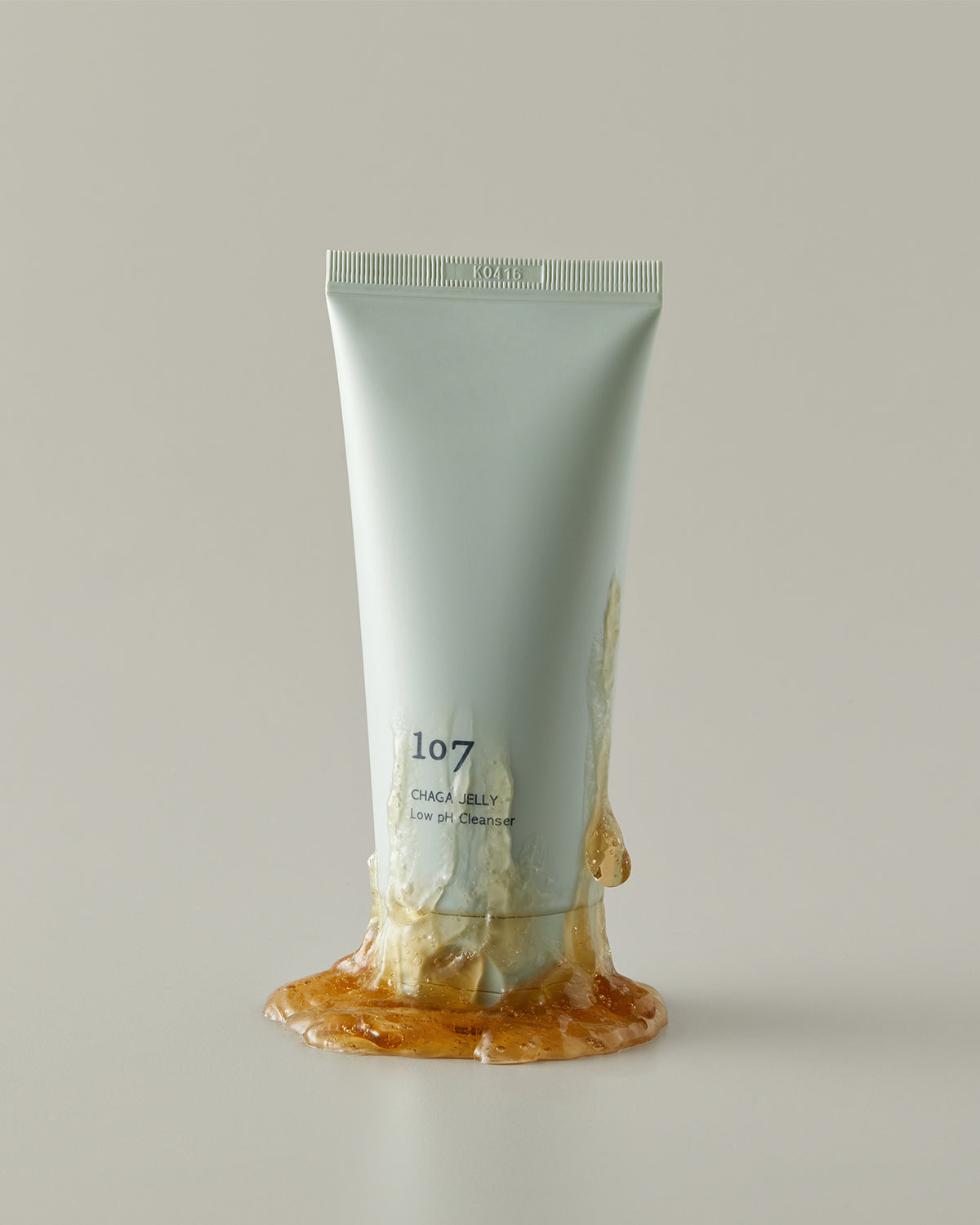
Start with a gentle cleanser that won’t leave your skin feeling tight or stripped. Something like the Luvum Bamboo Hyaluronic Moisture Gel Cleanser or the Purito Mighty Bamboo Panthenol Cleanser is great for keeping skin clean while still hydrated and balanced.

From there, focus on using Korean skincare products for hydration. Lightweight toners or essences can help bring water back into the skin without feeling heavy, something like the Olivarrier Dual Moist Toning Lotion is perfect for that in-between step.
For ingredients, this is where calming and barrier-supporting ones really shine. Think centella asiatica, heartleaf, and mugwort—these are amazing for soothing irritation. If your skin is feeling extra sensitive, something like the Luvum Calming Repair Cica Spot Pad can help calm things down without overwhelming your routine.
You can also layer in simple hydrating serums or ampoules to support recovery. The Heimish RX Hyaluronic Acid 2% Hydrating Serum adds lightweight moisture, while options like the Aippo Expert Soothing Ampoule or Pyunkang Yul Moisture Ampoule are great when your skin needs extra calming care.

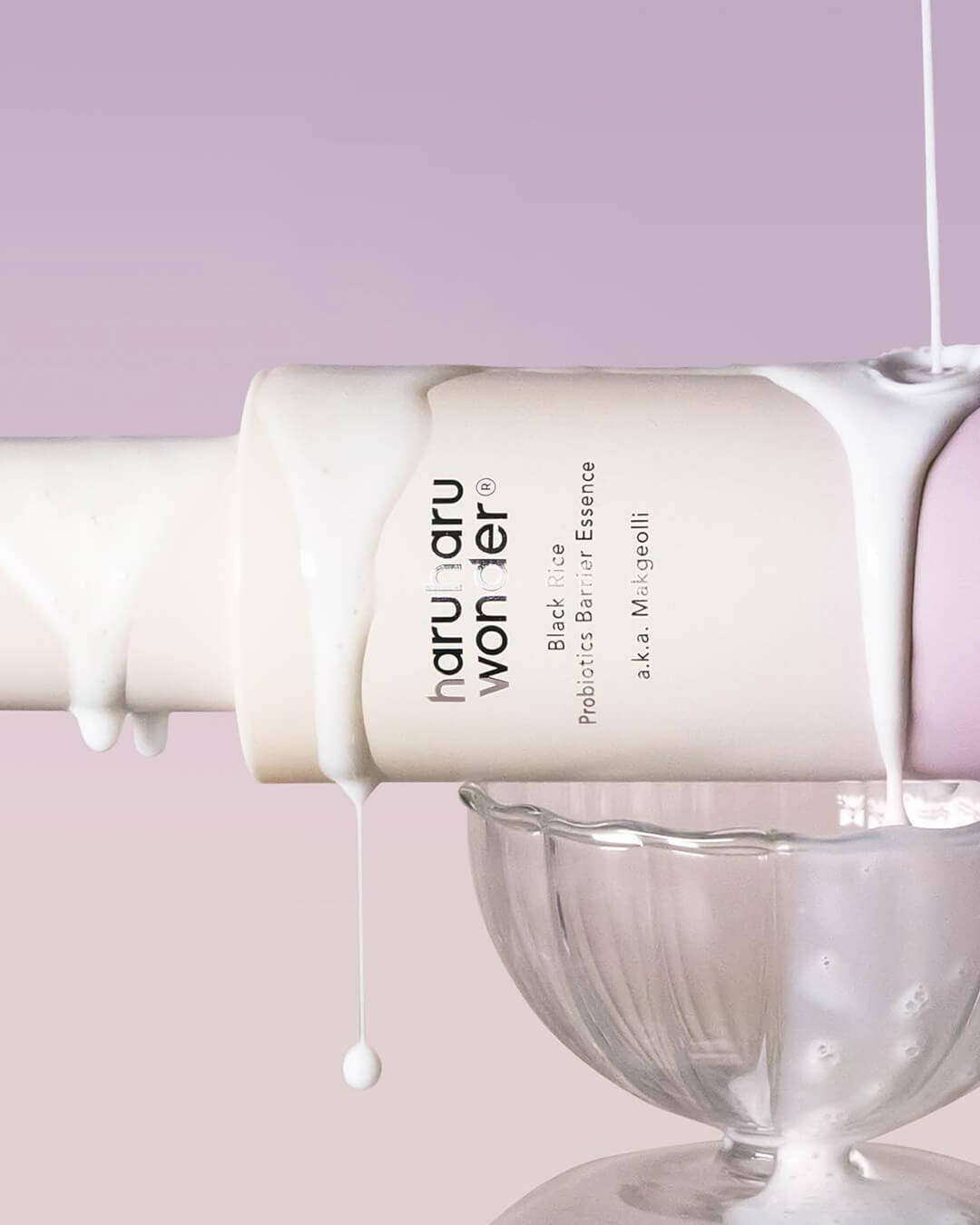
To lock everything in, go for a barrier-supporting Korean moisturizing skincare cream with ingredients like ceramides or panthenol. The Haruharu Wonder Black Rice 10 Hyaluronic Cream (Unscented), Tocobo Multi Ceramide Cream, or shaishaishai Liposome Hyal Soothing Cream are all great options, depending on how lightweight or nourishing you want your finish to feel.
And if you’ve been exfoliating a lot, it might be worth taking a short break. Giving your skin space to recover can make a bigger difference than trying to push through irritation.

Keep Your Skincare Simple
A healthy skin barrier doesn’t come from a complicated routine. It’s really about consistency and paying attention to what your skin needs, especially as the seasons change.
Cleanse gently, hydrate well, and stick to soothing Korean skincare products while your skin resets for hydration. Once your barrier is back in a good place, your skin will feel calmer, stronger, and a lot more balanced.
Sometimes, the best thing you can do for your skin is just let it breathe a little.
If you have questions or need personalized skincare advice, reach out anytime:
IG: @ohlollybeauty
Tiktok: @ohlollyofficial
Frequently Asked Questions (FAQs)
Here are answers to frequently asked questions about taking care of your skin barrier:
How long does it take to repair skin barrier?
Skin barriers typically take 2 to 4 weeks to recover, while severe damage may take longer, depending on how well irritation is minimized.
What ingredients should I avoid when my skin barrier is compromised?
When the skin barrier is compromised, avoid strong actives like exfoliating acids, retinoids, and high concentrations of vitamin C.
Can overusing hydrating products damage your skin barrier?
Overusing hydrating products won’t damage your barrier, but layering too much may lead to skin congestion or sensitivity.